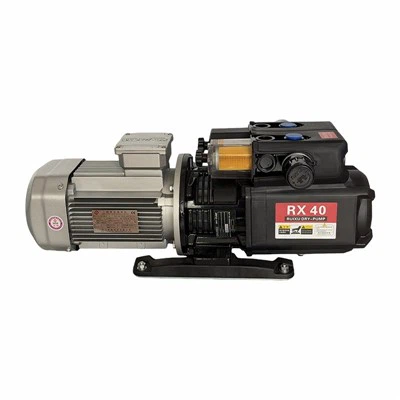
When it comes to industrial operations, the safety of operators is of paramount importance, especially when using equipment like oil sealed high vacuum pumps. As a trusted supplier of Oil Sealed High Vacuum Pumps, we understand the critical role these pumps play in various industries and the potential risks associated with their operation. In this blog post, we will explore the key steps and best practices to ensure the safety of operators when using an oil sealed high vacuum pump.


Understanding the Basics of Oil Sealed High Vacuum Pumps
Before delving into safety measures, it's essential to have a basic understanding of how oil sealed high vacuum pumps work. These pumps use oil to create a seal between the moving parts and the pump chamber, which helps in achieving and maintaining a high level of vacuum. They are commonly used in applications such as semiconductor manufacturing, chemical processing, and research laboratories.
Pre - Operation Safety Checks
- Inspection of the Pump
- Before starting the pump, operators should conduct a thorough visual inspection. Check for any signs of damage, such as cracks in the pump housing, loose fittings, or leaks in the oil lines. Any damaged parts should be replaced immediately to prevent potential hazards.
- Inspect the oil level in the pump. The oil serves as a lubricant and a sealant, so it should be at the appropriate level. Low oil levels can cause overheating and damage to the pump, while excessive oil can lead to foaming and reduced performance.
- Electrical Safety
- Ensure that the pump is properly grounded. A grounded pump reduces the risk of electrical shock to the operator. Check the electrical cords for any signs of wear or damage. If the cords are frayed or damaged, they should be replaced before operating the pump.
- Use a suitable electrical outlet that can handle the power requirements of the pump. Avoid using extension cords unless they are rated for the appropriate amperage.
- Environmental Considerations
- Place the pump in a well - ventilated area. Oil sealed high vacuum pumps can generate heat and release oil vapors during operation. Adequate ventilation helps to dissipate heat and remove potentially harmful vapors from the work area.
- Keep the pump away from flammable materials. The oil used in the pump is flammable, and any ignition source in the vicinity can pose a serious fire hazard.
Personal Protective Equipment (PPE)
- Eye Protection
- Operators should wear safety goggles to protect their eyes from oil splashes and debris. During the operation of the pump, there is a risk of oil being ejected from the pump, especially if there is a sudden pressure change or a malfunction.
- Gloves
- Chemical - resistant gloves should be worn to protect the hands from contact with the oil. The oil used in the pump may contain chemicals that can cause skin irritation or other health problems.
- Hearing Protection
- Oil sealed high vacuum pumps can be noisy during operation. Operators should wear earplugs or earmuffs to protect their hearing. Prolonged exposure to high - level noise can lead to hearing loss.
Operating the Pump Safely
- Starting the Pump
- Follow the manufacturer's instructions for starting the pump. Usually, this involves turning on the power switch and allowing the pump to warm up for a few minutes. Do not start the pump if there are any abnormal noises or vibrations.
- Monitor the pump's performance during startup. Check the pressure gauge to ensure that the pump is reaching the desired vacuum level. If the pressure does not change or there are fluctuations, there may be a problem with the pump.
- Monitoring the Pump
- Continuously monitor the pump during operation. Check the temperature of the pump, as overheating can indicate a problem. If the pump gets too hot, it may be due to a lack of lubrication, a blocked oil line, or a mechanical issue.
- Listen for any unusual noises. Grinding, rattling, or screeching sounds can be a sign of a problem with the pump's internal components. If any abnormal noises are detected, stop the pump immediately and investigate the cause.
- Shutting Down the Pump
- When shutting down the pump, follow the proper procedure. First, turn off the power switch. Then, allow the pump to cool down before performing any maintenance or inspection.
- After shutting down the pump, check the oil level again. If the oil level has changed significantly, it may indicate a leak or other problem.
Maintenance and Service
- Regular Maintenance
- Establish a regular maintenance schedule for the pump. This includes changing the oil at the recommended intervals, cleaning the pump's filters, and inspecting the internal components. Regular maintenance helps to keep the pump in good working condition and reduces the risk of breakdowns.
- Keep a record of all maintenance activities, including the date of maintenance, the parts replaced, and any issues found. This record can be useful for troubleshooting and ensuring that the pump is properly maintained.
- Professional Service
- If you are not experienced in pump maintenance, it is recommended to have the pump serviced by a professional. A professional technician can perform a comprehensive inspection of the pump, identify any potential problems, and make the necessary repairs.
Types of Oil Sealed High Vacuum Pumps
We offer a variety of oil sealed high vacuum pumps to meet different industrial needs. Our Economy Vacuum Pump is a cost - effective option for applications that do not require extremely high vacuum levels. It is easy to operate and maintain, making it a popular choice for small - scale operations.
Our Dual Stage Rotary Vane Vacuum Pump is designed for applications that require a higher level of vacuum. It uses two stages of pumping to achieve a deeper vacuum, making it suitable for more demanding industrial processes.
The Single Stage Rotary Vane Vacuum Pump is a simple and reliable option for applications that do not require a very high vacuum. It is compact and easy to install, making it a good choice for laboratories and small - scale manufacturing.
Conclusion
Ensuring the safety of operators when using an oil sealed high vacuum pump is a multi - faceted process that involves pre - operation checks, the use of personal protective equipment, safe operating procedures, and regular maintenance. By following these guidelines, operators can minimize the risks associated with using these pumps and ensure a safe working environment.
If you are in the market for an oil sealed high vacuum pump or need more information about our products, we encourage you to contact us for a detailed discussion. Our team of experts is ready to assist you in selecting the right pump for your specific needs and providing you with the necessary support and guidance.
References
- "Industrial Vacuum Technology Handbook" by Helmut Stenzel
- "Vacuum Pumps: Principles and Practice" by Peter A. Redhead