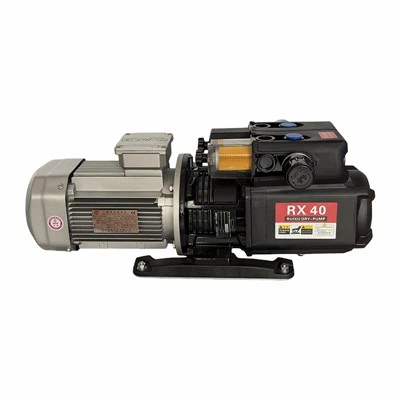
Can a compact vacuum pump be used for vacuum drying?
Vacuum drying is a critical process in many industries, including pharmaceuticals, food processing, materials science, and electronics. It involves removing moisture or solvents from a substance by placing it in a vacuum environment, which lowers the boiling point of the liquid and allows for evaporation at lower temperatures. This can be especially beneficial for heat - sensitive materials. The question is whether a compact vacuum pump can meet the requirements of vacuum drying. As a reputable compact vacuum pump supplier, I'd like to explore this topic in detail.
Advantages of Using a Compact Vacuum Pump for Vacuum Drying
Space - Saving
One of the most obvious advantages of a compact vacuum pump is its small footprint. In many laboratory and industrial settings, space is a precious commodity. A compact vacuum pump can easily fit into a limited workspace, whether it's a crowded research bench or a small processing room. For example, in a start - up biotech lab where budget constraints may limit the size of the facility, a compact pump can be used for vacuum drying of small batches of samples without taking up too much valuable floor space.
Energy Efficiency
Compact vacuum pumps are often designed to be energy - efficient. They typically consume less power compared to larger, traditional vacuum pumps. This is not only beneficial for reducing operating costs but also for environmental reasons. In a food processing plant, where multiple vacuum drying processes may run simultaneously, using compact vacuum pumps can lead to significant energy savings over time.
Mobility
The portability of compact vacuum pumps is a major plus. They can be easily moved around the workplace as needed. For instance, in a research facility where different experiments require vacuum drying at various locations, a compact pump can be quickly transported and set up, allowing for greater flexibility in the experimental process.
Types of Compact Vacuum Pumps Suitable for Vacuum Drying
Oil - Free Rotary Vane Vacuum Pump
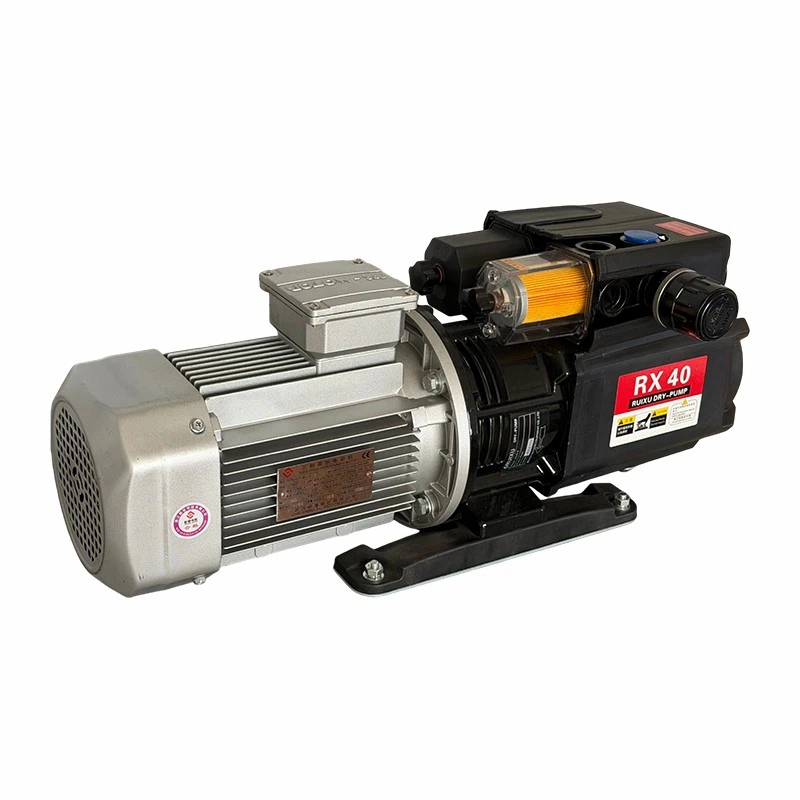
An Oil Free Rotary Vane Vacuum Pump is a popular choice for vacuum drying. These pumps are known for their clean operation, as they do not require oil lubrication. This makes them ideal for applications where oil contamination is a concern, such as in the pharmaceutical and food industries. They can achieve relatively high vacuum levels, which are often sufficient for vacuum drying processes. The absence of oil also means less maintenance and a longer service life, as there is no need to change the oil regularly.
Single Stage Rotary Vane Vacuum Pump
The Single Stage Rotary Vane Vacuum Pump is another option. It is simple in design and can provide a quick evacuation of air from the drying chamber. These pumps are cost - effective and can handle a wide range of vacuum levels, depending on the specific model. They are suitable for vacuum drying of materials that do not require extremely high vacuum levels. For example, in the drying of some common polymers, a single - stage rotary vane pump can efficiently remove the moisture within a reasonable time frame.
Compressed Air Vacuum Pump
A Compressed Air Vacuum Pump is also a viable choice for vacuum drying. These pumps operate using compressed air, which can be readily available in many industrial facilities. They are compact, easy to install, and can be used in explosion - proof environments, as they do not have any electrical components that could potentially cause a spark. This makes them suitable for applications in the chemical industry where the drying process may involve flammable solvents.
Limitations of Compact Vacuum Pumps in Vacuum Drying
Pumping Speed
Compact vacuum pumps generally have a lower pumping speed compared to larger pumps. In some high - throughput vacuum drying processes, where a large amount of moisture or solvent needs to be removed quickly, the lower pumping speed of compact pumps may result in longer drying times. For example, in a large - scale food drying operation, a compact pump may not be able to keep up with the production volume requirements.
Ultimate Vacuum Level
While some compact vacuum pumps can achieve relatively high vacuum levels, they may not be able to reach the extremely low pressures that are sometimes required for certain specialized vacuum drying applications. For instance, in the semiconductor industry, where ultra - high vacuum is needed for the drying of semiconductor wafers, compact pumps may not be sufficient to meet the demanding vacuum level specifications.

Overcoming the Limitations
To overcome the limitations of compact vacuum pumps in vacuum drying, several strategies can be employed. First, multiple compact pumps can be used in parallel to increase the overall pumping speed. This can effectively reduce the drying time in high - throughput processes. Second, for applications that require extremely low vacuum levels, a compact pump can be used in combination with a larger, high - performance backing pump. This hybrid approach allows for the advantages of the compact pump, such as space - saving and energy efficiency, while still achieving the desired vacuum level.
Conclusion
In summary, compact vacuum pumps can be used for vacuum drying, and they offer several advantages, including space - saving, energy efficiency, and mobility. Different types of compact vacuum pumps, such as oil - free rotary vane pumps, single - stage rotary vane pumps, and compressed air vacuum pumps, can be selected based on the specific requirements of the vacuum drying process. However, they also have some limitations in terms of pumping speed and ultimate vacuum level. By employing appropriate strategies, these limitations can be overcome.
If you are involved in vacuum drying processes and are considering a compact vacuum pump, we are here to provide you with the best solutions. Our wide range of compact vacuum pumps is designed to meet various industrial and research needs. We can offer professional advice on pump selection, installation, and maintenance. Feel free to contact us to start a conversation about your vacuum drying requirements and how our pumps can optimize your processes.
References
- Handbook of Vacuum Technology, by Ohring, M.
- Vacuum Pump Engineering, by Leck, R.