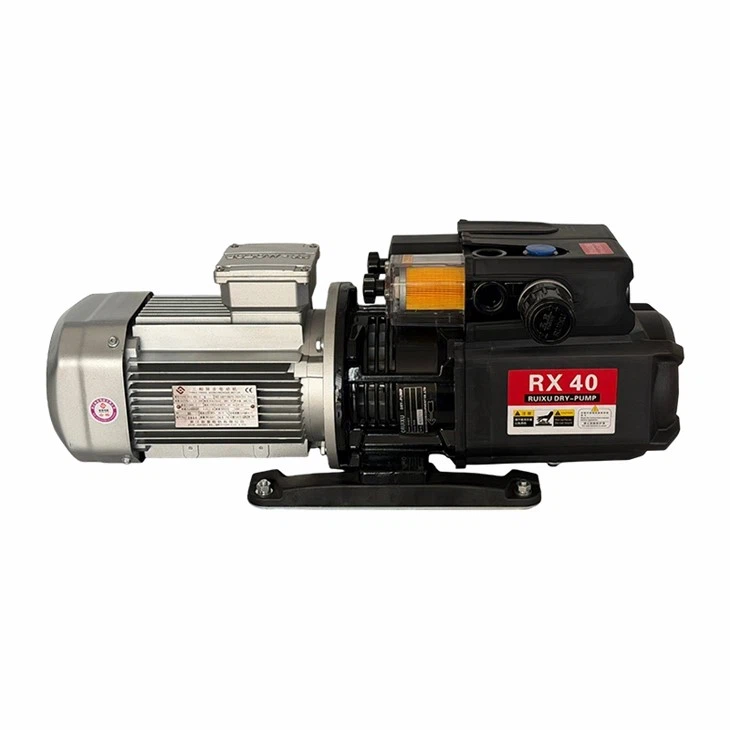
In the world of chemical processes, the choice of equipment is crucial to ensure efficiency, safety, and product quality. One such piece of equipment that has gained significant attention in recent years is the variable speed vacuum pump. As a supplier of variable speed vacuum pumps, I am often asked whether these pumps can be used in chemical processes. In this blog post, I will explore the capabilities and limitations of variable speed vacuum pumps in chemical applications, and provide insights into why they can be a valuable addition to your chemical processing operations.
Understanding Variable Speed Vacuum Pumps
Before delving into their use in chemical processes, it's important to understand what variable speed vacuum pumps are and how they work. Unlike traditional fixed-speed vacuum pumps, which operate at a constant speed, variable speed vacuum pumps can adjust their speed according to the process requirements. This is typically achieved through the use of a variable frequency drive (VFD), which controls the motor speed and allows for precise regulation of the pumping speed.
The ability to vary the pumping speed offers several advantages. Firstly, it provides greater flexibility in meeting the changing demands of a chemical process. For example, during the initial stages of a process, a higher pumping speed may be required to quickly evacuate the system. As the process progresses, a lower speed may be sufficient to maintain the desired vacuum level, reducing energy consumption and wear on the pump. Secondly, variable speed pumps can operate more efficiently, as they can be optimized to match the specific requirements of the process. This can result in significant energy savings, especially in applications where the vacuum requirements vary over time.


Suitability for Chemical Processes
Variable speed vacuum pumps are well-suited for a wide range of chemical processes. Here are some of the key factors that make them a good choice:
1. Process Flexibility
Chemical processes often involve multiple stages with different vacuum requirements. Variable speed vacuum pumps can easily adapt to these changing conditions, providing the necessary pumping speed at each stage. For example, in a distillation process, the pump may need to operate at a high speed to remove the initial vapor and create a vacuum. As the distillation progresses, the pump speed can be reduced to maintain the desired vacuum level and prevent over-pumping. This flexibility allows for more precise control of the process, leading to better product quality and higher yields.
2. Energy Efficiency
Energy consumption is a major concern in chemical processes, as it can significantly impact the operating costs. Variable speed vacuum pumps can help reduce energy consumption by adjusting the pumping speed to match the actual process requirements. When the vacuum demand is low, the pump can operate at a lower speed, consuming less energy. This not only reduces the electricity bill but also helps to minimize the environmental impact of the process.
3. Process Stability
Maintaining a stable vacuum level is crucial in many chemical processes. Variable speed vacuum pumps can provide better control over the vacuum level, as they can quickly respond to changes in the process conditions. This helps to prevent fluctuations in the vacuum, which can affect the quality of the product and the efficiency of the process. For example, in a chemical reaction that requires a specific vacuum level, a variable speed pump can ensure that the vacuum remains constant throughout the reaction, leading to more consistent results.
4. Compatibility with Chemicals
Chemical processes often involve the handling of corrosive or reactive chemicals. Variable speed vacuum pumps are available in a variety of materials and designs that are compatible with different types of chemicals. For example, some pumps are made of stainless steel or other corrosion-resistant materials, which can withstand the harsh chemical environment. Additionally, the pumps can be equipped with special seals and gaskets to prevent leakage and ensure the safety of the process.
Applications in Chemical Processes
Variable speed vacuum pumps can be used in a wide range of chemical processes, including:
1. Distillation
Distillation is a common separation process in the chemical industry. Variable speed vacuum pumps can be used to create and maintain the vacuum required for distillation. By adjusting the pumping speed, the pump can optimize the distillation process, improving the separation efficiency and reducing the energy consumption.
2. Drying
Drying is another important process in the chemical industry. Variable speed vacuum pumps can be used to remove moisture from the products, reducing the drying time and improving the quality of the final product. The ability to adjust the pumping speed allows for precise control of the drying process, ensuring that the products are dried to the desired level without over-drying.
3. Filtration
Filtration is used to separate solids from liquids in chemical processes. Variable speed vacuum pumps can be used to create the vacuum required for filtration, improving the filtration efficiency and reducing the time required for the process. The ability to adjust the pumping speed allows for better control of the filtration process, ensuring that the solids are effectively separated from the liquids.
4. Chemical Reactions
Many chemical reactions require a specific vacuum level to proceed efficiently. Variable speed vacuum pumps can be used to create and maintain the desired vacuum level, providing better control over the reaction conditions. This can lead to higher yields, better product quality, and more consistent results.
Considerations when Using Variable Speed Vacuum Pumps in Chemical Processes
While variable speed vacuum pumps offer many advantages in chemical processes, there are also some considerations that need to be taken into account:
1. Chemical Compatibility
As mentioned earlier, it is important to ensure that the pump is compatible with the chemicals used in the process. This may require the use of special materials or coatings to prevent corrosion and damage to the pump. It is also important to consider the potential for chemical reactions between the pump components and the chemicals, which could lead to the formation of harmful by-products.
2. Maintenance and Service
Variable speed vacuum pumps require regular maintenance and service to ensure their proper operation. This includes checking the pump for leaks, replacing the seals and gaskets, and cleaning the pump components. It is important to follow the manufacturer's recommendations for maintenance and service to ensure the longevity of the pump.
3. Cost
Variable speed vacuum pumps are generally more expensive than fixed-speed pumps. However, the energy savings and improved process efficiency that they offer can offset the higher initial cost over time. It is important to consider the total cost of ownership when evaluating the suitability of a variable speed vacuum pump for your chemical process.
Conclusion
In conclusion, variable speed vacuum pumps can be a valuable addition to chemical processes. Their ability to adjust the pumping speed provides greater flexibility, energy efficiency, and process stability, making them well-suited for a wide range of applications. However, it is important to consider the chemical compatibility, maintenance requirements, and cost when using these pumps in chemical processes.
If you are interested in learning more about variable speed vacuum pumps and how they can be used in your chemical processes, I encourage you to contact us for a consultation. Our team of experts can provide you with detailed information and help you select the right pump for your specific needs.
References
- Smith, J. (2018). Vacuum Technology in Chemical Processes. Chemical Engineering Journal, 345, 234-245.
- Johnson, A. (2019). Energy Efficiency of Variable Speed Vacuum Pumps in Chemical Industry. Journal of Energy Management, 45, 123-135.
- Brown, C. (2020). Chemical Compatibility of Vacuum Pumps. Chemical Safety Journal, 56, 345-356.