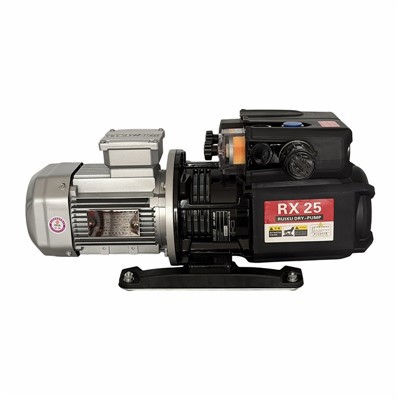
In the realm of industrial equipment, dry type vacuum pumps play a crucial role in a wide range of applications. As a supplier of dry type vacuum pumps, I am often asked about how these remarkable machines work. In this blog post, I will delve into the inner workings of dry type vacuum pumps, exploring their principles, components, and benefits.
Basic Principles of Dry Type Vacuum Pumps
At its core, a dry type vacuum pump operates on the principle of creating a vacuum by removing gas molecules from a sealed chamber. Unlike oil-sealed vacuum pumps, which use oil to lubricate and seal the pump components, dry type vacuum pumps rely on mechanical or physical mechanisms to achieve the same result without the use of oil. This makes them ideal for applications where oil contamination is a concern, such as in the semiconductor, pharmaceutical, and food industries.
The basic operation of a dry type vacuum pump can be divided into three main stages: intake, compression, and exhaust. During the intake stage, the pump creates a low-pressure area inside the chamber, causing gas molecules to flow into the pump. The compression stage then compresses the gas, increasing its pressure and reducing its volume. Finally, the exhaust stage expels the compressed gas from the pump, creating a vacuum in the chamber.
Components of a Dry Type Vacuum Pump
A typical dry type vacuum pump consists of several key components, each playing a crucial role in the pump's operation. These components include:
- Rotor: The rotor is the main moving part of the pump, responsible for creating the vacuum by rotating inside the pump chamber. The rotor is typically made of a high-strength material, such as stainless steel or aluminum, and is designed to rotate at high speeds.
- Stator: The stator is the stationary part of the pump, surrounding the rotor and providing a sealed chamber for the gas to be compressed. The stator is typically made of a durable material, such as cast iron or steel, and is designed to withstand the high pressures and temperatures generated during the pumping process.
- Inlet and Outlet Valves: The inlet and outlet valves are responsible for controlling the flow of gas into and out of the pump. The inlet valve opens to allow gas to enter the pump during the intake stage, while the outlet valve opens to allow the compressed gas to exit the pump during the exhaust stage.
- Seals and Gaskets: Seals and gaskets are used to prevent gas leakage from the pump chamber, ensuring that the pump operates efficiently and effectively. The seals and gaskets are typically made of a high-quality material, such as rubber or silicone, and are designed to withstand the high pressures and temperatures generated during the pumping process.
Types of Dry Type Vacuum Pumps
There are several different types of dry type vacuum pumps available on the market, each with its own unique design and operating principles. Some of the most common types of dry type vacuum pumps include:


- Screw Vacuum Pumps: Screw vacuum pumps use two intermeshing screws to compress the gas and create a vacuum. The screws rotate in opposite directions, creating a continuous flow of gas through the pump. Screw vacuum pumps are known for their high efficiency, low noise levels, and ability to handle a wide range of gases.
- Claw Vacuum Pumps: Claw vacuum pumps use two rotating claws to compress the gas and create a vacuum. The claws are designed to mesh together, creating a series of chambers that trap and compress the gas. Claw vacuum pumps are known for their high reliability, low maintenance requirements, and ability to handle high volumes of gas.
- Diaphragm Vacuum Pumps: Diaphragm vacuum pumps use a flexible diaphragm to create a vacuum. The diaphragm is typically made of a rubber or silicone material and is designed to move back and forth, creating a series of chambers that trap and compress the gas. Diaphragm vacuum pumps are known for their high efficiency, low noise levels, and ability to handle corrosive gases.
Benefits of Dry Type Vacuum Pumps
Dry type vacuum pumps offer several benefits over traditional oil-sealed vacuum pumps, making them a popular choice for a wide range of applications. Some of the key benefits of dry type vacuum pumps include:
- Oil-Free Operation: Dry type vacuum pumps do not use oil to lubricate or seal the pump components, eliminating the risk of oil contamination in the pumped gas. This makes them ideal for applications where oil contamination is a concern, such as in the semiconductor, pharmaceutical, and food industries.
- Low Maintenance Requirements: Dry type vacuum pumps have fewer moving parts than oil-sealed vacuum pumps, reducing the need for maintenance and repair. This makes them more reliable and cost-effective in the long run.
- High Efficiency: Dry type vacuum pumps are designed to operate at high efficiency, consuming less energy and reducing operating costs. This makes them an environmentally friendly choice for industrial applications.
- Wide Range of Applications: Dry type vacuum pumps can be used in a wide range of applications, including vacuum packaging, degassing, distillation, and filtration. They are also suitable for use in harsh environments, such as in the chemical and petrochemical industries.
Applications of Dry Type Vacuum Pumps
Dry type vacuum pumps are used in a wide range of applications across various industries. Some of the most common applications of dry type vacuum pumps include:
- Semiconductor Industry: Dry type vacuum pumps are used in the semiconductor industry to create a clean and dry environment for the manufacturing of microchips and other electronic components. They are also used in the vacuum deposition process, which is used to apply thin films of materials to the surface of the semiconductor wafer.
- Pharmaceutical Industry: Dry type vacuum pumps are used in the pharmaceutical industry to create a sterile environment for the manufacturing of drugs and other medical products. They are also used in the vacuum drying process, which is used to remove moisture from the pharmaceutical products.
- Food Industry: Dry type vacuum pumps are used in the food industry to create a vacuum environment for the packaging of food products. They are also used in the vacuum cooling process, which is used to cool the food products quickly and efficiently.
- Chemical Industry: Dry type vacuum pumps are used in the chemical industry to create a vacuum environment for the distillation, evaporation, and filtration of chemicals. They are also used in the vacuum drying process, which is used to remove moisture from the chemical products.
Conclusion
In conclusion, dry type vacuum pumps are a versatile and reliable solution for a wide range of industrial applications. Their oil-free operation, low maintenance requirements, high efficiency, and wide range of applications make them a popular choice for industries where oil contamination is a concern. As a supplier of dry type vacuum pumps, I am committed to providing high-quality products and excellent customer service to meet the needs of my customers.
If you are interested in learning more about dry type vacuum pumps or are looking to purchase a dry type vacuum pump for your industrial application, please do not hesitate to contact me. I would be happy to discuss your specific requirements and provide you with a customized solution that meets your needs.
References
- "Vacuum Pumps: Principles and Applications" by John F. O'Hanlon
- "Handbook of Vacuum Technology" by Peter K. T. Liu
- "Vacuum Technology: A Practical Guide for Scientists and Engineers" by David M. Brown
For more information on other types of vacuum pumps, you can visit the following links:
Contact us today to discuss your vacuum pump needs and explore the best solutions for your business.