


Hey there! As a supplier of Oil Sealed Rotary High Vacuum Pumps, I know how crucial it is to ensure the proper operation of the oil return line in these pumps. In this blog, I'm gonna share some tips and tricks on how to keep that oil return line running smoothly.
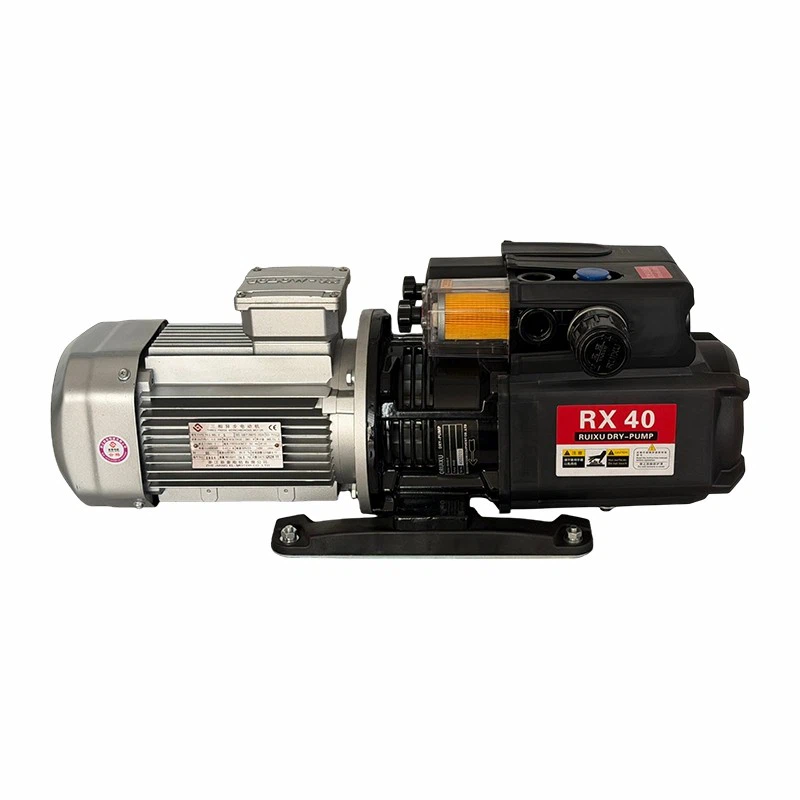

First off, let's understand why the oil return line is so important. In an oil sealed rotary high vacuum pump, the oil plays a vital role. It lubricates the moving parts, seals the gaps to prevent air leakage, and helps in removing heat generated during the pumping process. The oil return line is responsible for getting the oil back to the pump's reservoir after it has done its job. If this line isn't working properly, it can lead to a whole bunch of problems, like reduced pump efficiency, increased wear and tear on the pump components, and even pump failure.
Regular Inspection
One of the most important things you can do is to regularly inspect the oil return line. Check for any signs of damage, such as cracks, leaks, or blockages. A damaged line can cause oil to leak out, which not only wastes oil but can also create a mess and potentially damage other parts of the pump. Blockages can prevent the oil from flowing back to the reservoir, leading to oil starvation in the pump.
Inspect the connections of the oil return line as well. Make sure they are tight and secure. Loose connections can cause oil to leak out or air to enter the line, which can disrupt the oil flow. You can use a visual inspection to look for any signs of oil leakage around the connections. If you notice any oil stains or drips, it's a clear sign that there's a problem.
Cleanliness
Keeping the oil return line clean is essential. Over time, debris, dirt, and sludge can build up inside the line, causing blockages. You can use a suitable cleaning agent to flush the line periodically. Make sure to follow the manufacturer's instructions when using any cleaning agents to avoid damaging the line.
Another way to keep the line clean is to use a high - quality oil filter. The filter can trap any contaminants in the oil before they reach the oil return line. Replace the filter regularly according to the manufacturer's recommendations. This will help ensure that only clean oil is flowing through the return line.
Proper Installation
The way the oil return line is installed can also affect its operation. Make sure the line is installed in a way that allows for proper oil flow. It should be installed with a slight downward slope towards the pump's reservoir. This helps the oil to flow back to the reservoir by gravity.
Avoid sharp bends or kinks in the line. Sharp bends can restrict the oil flow and cause pressure drops. If you need to make a bend in the line, use a gentle curve instead. Also, make sure the line is not too long. A long line can increase the resistance to oil flow and make it harder for the oil to return to the reservoir.
Monitoring Oil Level and Quality
Regularly monitor the oil level in the pump's reservoir. If the oil level is too low, it could indicate a problem with the oil return line. It might be that the line is blocked or there's a leak. If the oil level is too high, it could also be a sign of a problem, such as a malfunctioning valve in the oil return system.
In addition to monitoring the oil level, also pay attention to the oil quality. If the oil looks dirty, has a strange odor, or contains particles, it's a sign that there might be an issue. Contaminated oil can cause damage to the pump components and affect the operation of the oil return line. Replace the oil when it reaches the end of its service life or if it shows signs of contamination.
Training and Education
It's important to train your staff on the proper operation and maintenance of the oil return line. They should know how to inspect the line, clean it, and troubleshoot any problems that might arise. Provide them with the necessary tools and resources to carry out these tasks.
Encourage your staff to report any issues they notice with the oil return line immediately. Early detection of problems can prevent more serious damage to the pump and save you time and money in the long run.
Related Products
If you're looking for other types of vacuum pumps, we also offer Oil Free Rotary Vane Vacuum Pump, Compressed Air Vacuum Pump, and Rotary Sliding Vane Pump. These pumps have their own unique features and advantages, and they might be a good fit for your specific needs.
Conclusion
Ensuring the proper operation of the oil return line in an oil sealed rotary high vacuum pump is crucial for the pump's performance and longevity. By following these tips, you can keep the oil return line in good working condition and avoid costly repairs and downtime.
If you're interested in our Oil Sealed Rotary High Vacuum Pumps or have any questions about the oil return line or other aspects of pump operation, don't hesitate to contact us for a procurement discussion. We're here to help you find the best solution for your vacuum pumping needs.
References
- Manufacturer's manuals for Oil Sealed Rotary High Vacuum Pumps
- Industry standards and best practices for vacuum pump maintenance


