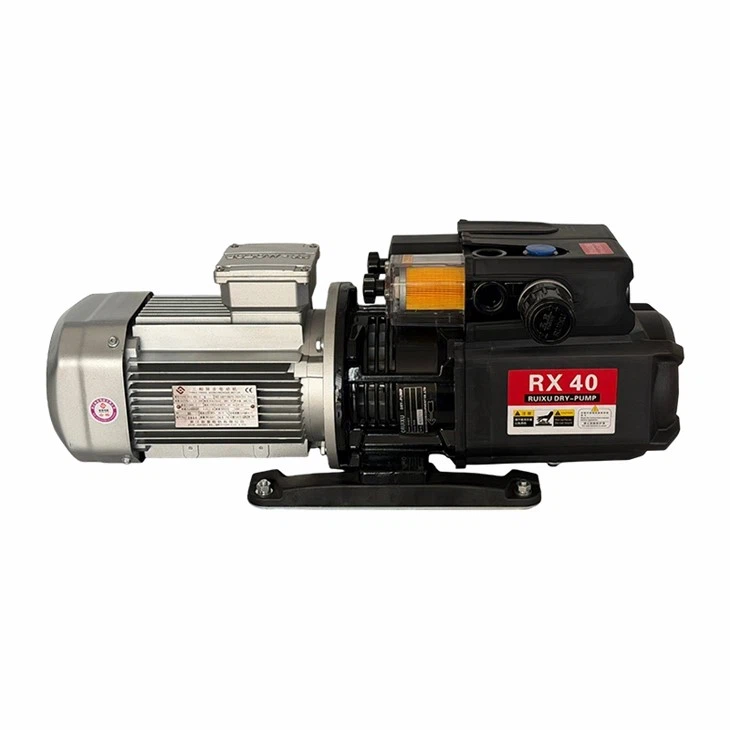
Maintaining an industrial vacuum pump is crucial for ensuring its optimal performance, longevity, and reliability. As a leading supplier of vacuum pumps for industrial use, I understand the significance of proper maintenance in maximizing the efficiency of these essential machines. In this blog post, I will share some valuable insights and practical tips on how to maintain an industrial vacuum pump effectively.
Understanding the Basics of Industrial Vacuum Pumps
Before delving into maintenance procedures, it's important to have a basic understanding of how industrial vacuum pumps work. Industrial vacuum pumps are used to create and maintain a vacuum in various industrial processes, such as manufacturing, chemical processing, and food packaging. There are different types of industrial vacuum pumps, including Rotary Sliding Vane Pump, Compressed Air Vacuum Pump, and Universal Vacuum Pump. Each type has its own unique design and operating principles, which can influence the maintenance requirements.
Regular Inspection and Cleaning
Regular inspection and cleaning are fundamental to the proper maintenance of an industrial vacuum pump. Inspect the pump regularly for any signs of wear, damage, or leaks. Check the pump's components, such as the seals, gaskets, and valves, for any signs of deterioration. Clean the pump's exterior and interior components to remove any dirt, debris, or contaminants that may accumulate over time. Use a soft brush or compressed air to clean the pump's surfaces, and avoid using abrasive materials that could damage the pump.
Lubrication
Proper lubrication is essential for the smooth operation of an industrial vacuum pump. Lubricate the pump's moving parts, such as the bearings, gears, and pistons, according to the manufacturer's recommendations. Use the appropriate lubricant for the pump's specific requirements, and ensure that the lubricant is clean and free of contaminants. Over-lubrication can also cause problems, so it's important to follow the recommended lubrication schedule and use the correct amount of lubricant.
Monitoring and Testing
Monitoring and testing the performance of an industrial vacuum pump is an important part of maintenance. Use a vacuum gauge to measure the pump's vacuum level and ensure that it is within the recommended range. Monitor the pump's operating temperature, pressure, and power consumption to detect any abnormal changes that may indicate a problem. Conduct regular performance tests to evaluate the pump's efficiency and identify any potential issues.
Filter Replacement
Filters play a crucial role in protecting the industrial vacuum pump from contaminants and debris. Replace the pump's filters regularly according to the manufacturer's recommendations. A clogged or dirty filter can reduce the pump's performance and increase the risk of damage. Use high-quality filters that are designed for the specific type of pump and application.
Sealing and Gasket Maintenance
Seals and gaskets are important components of an industrial vacuum pump that prevent leaks and ensure proper operation. Inspect the seals and gaskets regularly for any signs of wear, damage, or deterioration. Replace any worn or damaged seals and gaskets immediately to prevent leaks and maintain the pump's performance. Use high-quality seals and gaskets that are designed for the specific type of pump and application.
Training and Education
Proper training and education are essential for ensuring that the maintenance of an industrial vacuum pump is carried out correctly. Provide training to the operators and maintenance personnel on the proper use, maintenance, and troubleshooting of the pump. Ensure that they are familiar with the pump's operating manual and safety procedures. Encourage them to report any problems or issues immediately to prevent further damage.


Professional Maintenance and Service
In addition to regular maintenance, it's important to have the industrial vacuum pump serviced by a professional technician on a regular basis. A professional technician can perform a comprehensive inspection of the pump, identify any potential problems, and perform any necessary repairs or maintenance. They can also provide valuable advice on how to improve the pump's performance and extend its lifespan.
Conclusion
Maintaining an industrial vacuum pump is essential for ensuring its optimal performance, longevity, and reliability. By following the tips and guidelines outlined in this blog post, you can keep your industrial vacuum pump in good working condition and avoid costly repairs and downtime. Remember to inspect and clean the pump regularly, lubricate the moving parts, monitor and test the performance, replace the filters, maintain the seals and gaskets, provide training and education, and have the pump serviced by a professional technician. If you have any questions or need further assistance with the maintenance of your industrial vacuum pump, please don't hesitate to contact us. We are a leading supplier of vacuum pumps for industrial use, and we are committed to providing our customers with high-quality products and excellent service. Contact us today to learn more about our products and services, and to discuss your specific requirements.
References
- Manufacturer's operating manuals for industrial vacuum pumps
- Industry standards and best practices for vacuum pump maintenance
- Technical literature and research on vacuum pump technology