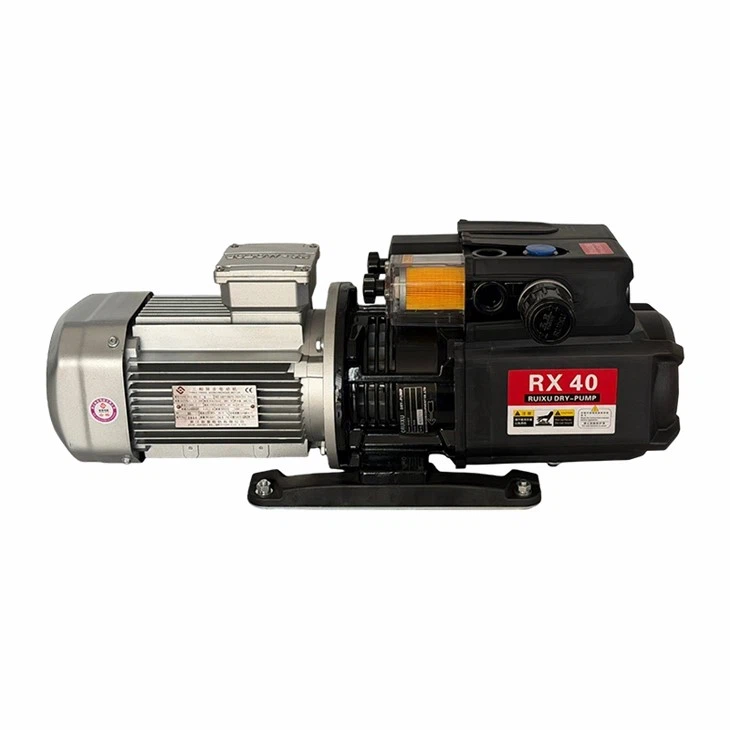
Vacuum pump components are much like the parts of an automobile; after prolonged use, they inevitably experience wear and tear or aging. Seals may lose their elasticity, oil filters may become clogged, and vanes may wear down. All of these factors can compromise the vacuum pump's pumping efficiency and operational stability. Timely replacement of these components not only restores the pump's performance but also prevents minor issues from escalating into major malfunctions.
Which components require replacement most frequently?
Oil Seals and Gaskets: The first line of defense against oil and air leaks.
Oil Filters and Oil Mist Separators: Crucial for maintaining the cleanliness of the lubrication system.
Inlet Filters: The guardians that block dust and debris from entering the pump body.
Pump Oil: Serves the dual function of lubrication and sealing.
Vanes and Rotors: The core working components; wear on these parts directly impacts the achievable vacuum level.
What precautions should be taken when replacing components?
Before beginning any work, be sure to disconnect the power supply and release any system pressure; use specialized tools for disassembly. Ensure that the replacement parts are of the correct model and type; during installation, maintain strict cleanliness to prevent impurities from entering the system. When changing the oil, thoroughly drain out all of the old oil; it is recommended to check the oil level and verify the integrity of the seals after the initial run. Maintaining a regular maintenance log can help you anticipate when the next replacement will be due.