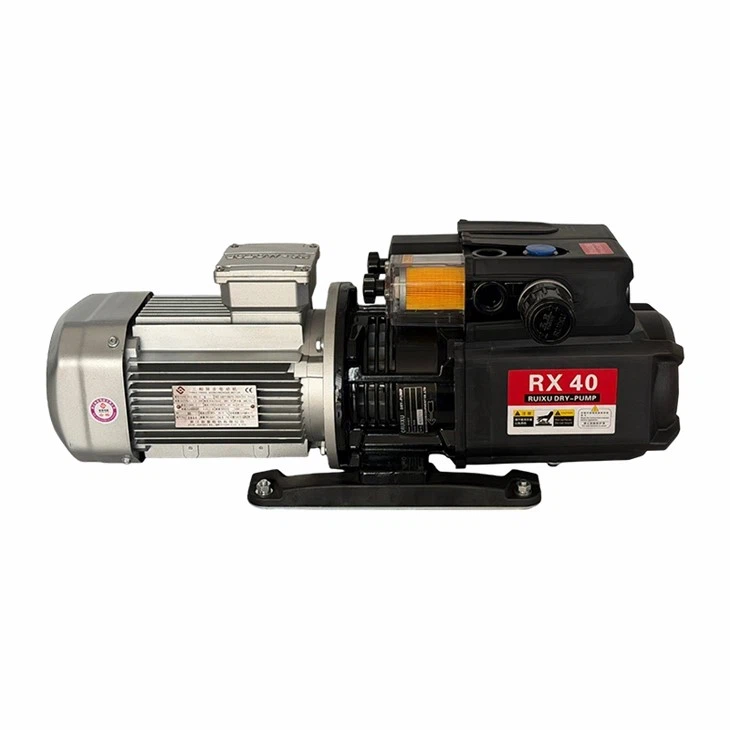
Two Power Sources for Vacuum Pumps
Based on their power source, vacuum pumps are primarily categorized into two major camps: Pneumatic and electric-much like automobiles are divided into fuel-powered and electric vehicles. Pneumatic vacuum pumps are driven by compressed air, generating negative pressure through the Venturi effect; electric vacuum pumps, conversely, utilize an electric motor to drive vanes or pistons for mechanical suction. In laboratory settings, approximately 85% of commonly used small vacuum pumps are electric, whereas in automotive repair shops, pneumatic vacuum pumps account for over 60% of the total.
The Unique Advantages of Pneumatic Vacuum Pumps
Explosion-Proof Safety: Eliminates the risk of electrical sparks, making them ideal for use in flammable environments such as chemical plants and paint shops.
Instant Start/Stop: Begins operation immediately once the required air pressure is reached, requiring no warm-up or waiting time.
Lightweight Design: Weighs approximately 40% less than an electric pump of equivalent power output.
Resilience in Harsh Environments: Demonstrates superior reliability in dusty or humid workshop conditions.
Application Scenarios for Electric Vacuum Pumps
Thanks to their ability to maintain a stable vacuum level (reaching as low as 0.1 mbar), electric pumps have become the preferred choice for precision manufacturing applications. In sectors requiring continuous and stable negative pressure-such as medical equipment and food packaging-electric pumps account for over 90% of the market share. They offer highly controllable operating speeds and consume 35% less energy than pneumatic pumps; however, their initial purchase cost is typically 20–30% higher.